
Views: 0 Author: Site Editor Publish Time: 2026-11-27 Origin: Site


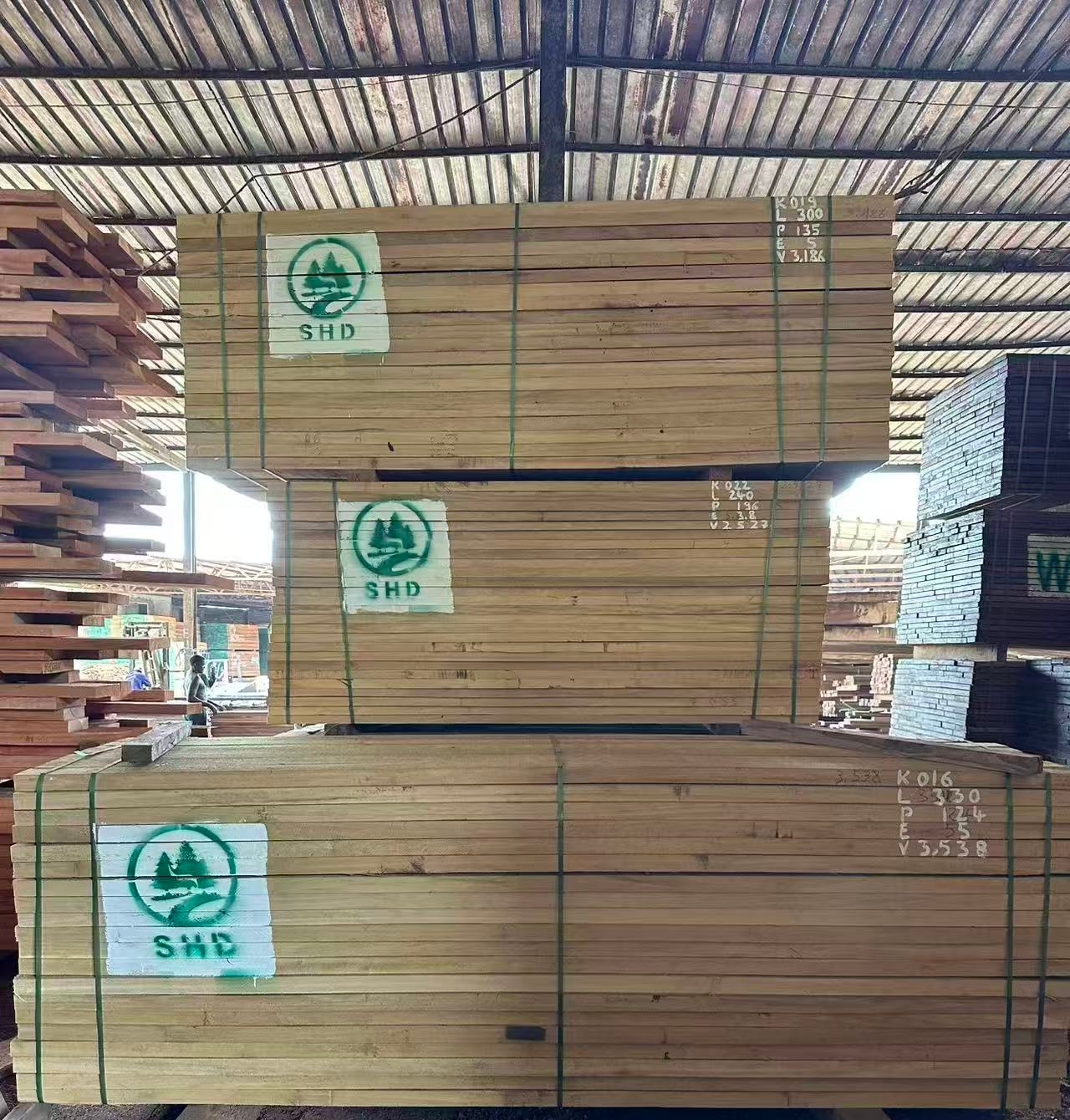
European and American hardwoods—such as oak, beech, ash, maple, cherry, and walnut—are well-known materials used in furniture, flooring, joinery, and construction. However, they are not the only options available. African hardwoods have also established a presence in the international market, finding applications in areas such as cabinetry, interior and exterior joinery, outdoor decking, flooring, and other fields that demand high-performance materials.
THE SHORT ANSWER Yes - for many applications. But it is rarely a simple one-for-one swap. The right choice depends on the job the timber must do, not just its name or origin.
The examples below are starting points for evaluation, not automatic equivalents. Always compare the actual specification and intended service conditions.
If a project specifies oak or selected teak applications, Iroko, Afrormosia, Bilinga, African Padauk, Okan or Tali may be worth evaluating for suitable exterior products. The choice depends on exposure, natural durability, dimensional movement, design details and maintenance requirements. [2]
For projects using cherry, walnut or mahogany-toned hardwoods, Sapele, Sipo/Utile, Khaya (African mahogany), Tiama or Makore may offer suitable decorative options. They are not visually identical: review real samples for colour range, grain, sapwood limits, machining and finishing behaviour. [1]
Where beech, ash or maple is specified, Ayous may be considered for selected interior parts when its lower density and softer surface are acceptable. It should not be treated as a direct substitute for high-wear, impact-resistant or structural applications without checking the required performance.
A species that looks similar may not perform the same way. A species with excellent durability may also be heavier, harder to machine or more demanding to dry. Before changing a specification, compare the following points:
• Mechanical performance. Check density, hardness, bending strength and stiffness. For load-bearing or structural work, use the required strength class and grading evidence; a species name alone is not a design value. [2]
• Natural durability and exposure. Separate indoor use from sheltered exterior, exposed exterior and ground-contact conditions. Confirm durability class, treatability, required protection and maintenance.
• Moisture and dimensional movement. Compare target moisture content, AD or KD condition, drying quality and the destination climate. This matters especially for wide boards, flooring and doors.
• Appearance and processing. Review colour, grain, sapwood, knots and grading limits on real samples. Also check machining, tooling, gluing, fastening and finishing requirements.
• Supply, grading and compliance. Confirm exact dimensions, grade definition, length mix, volume, origin and repeat availability. Check legality, CITES status where relevant, and destination-market due-diligence rules.
1. Define the job. State the end use and exposure conditions: interior, sheltered exterior, exposed exterior or structural.
2. Write the full specification. Include thickness, width, length, AD or KD condition, target moisture content, grade, length mix and tolerances.
3. Check the evidence. Review physical samples, technical data, grading limits and the documents required for the destination market.
4. Approve before scaling up. Where the application is sensitive, test a sample or trial batch before committing to a full order.
African hardwood should not be seen as one universal replacement for European or American timber. It is a broad portfolio of species with different colours, densities, durability levels and working properties. When buyers match the species to the application - and verify the grade, moisture condition and documentation - African hardwood can be a practical alternative and a way to diversify supply.
Looking for an African hardwood alternative? Share your target species, application, dimensions, grade and destination market with SHD Wood. We can discuss suitable species and available supply options.


