
Views: 0 Author: Site Editor Publish Time: 2026-11-27 Origin: Site


Many practitioners engaged in African timber import and high-end furniture customization have come across the term “FAS Grade” in procurement contracts. Yet few fully understand its definition and rules. Some mistakenly believe it refers to defect-free perfect lumber, while others dismiss it as a marketing gimmick used by sellers to inflate prices. It is only after cutting and processing that they find the actual yield far below expectations, resulting in tens of thousands of unexpected losses.
This article explains FAS Grade in African timber trade in plain terms. After reading it, you will no longer be confused by vague descriptions such as “Grade 1 lumber” or “pre
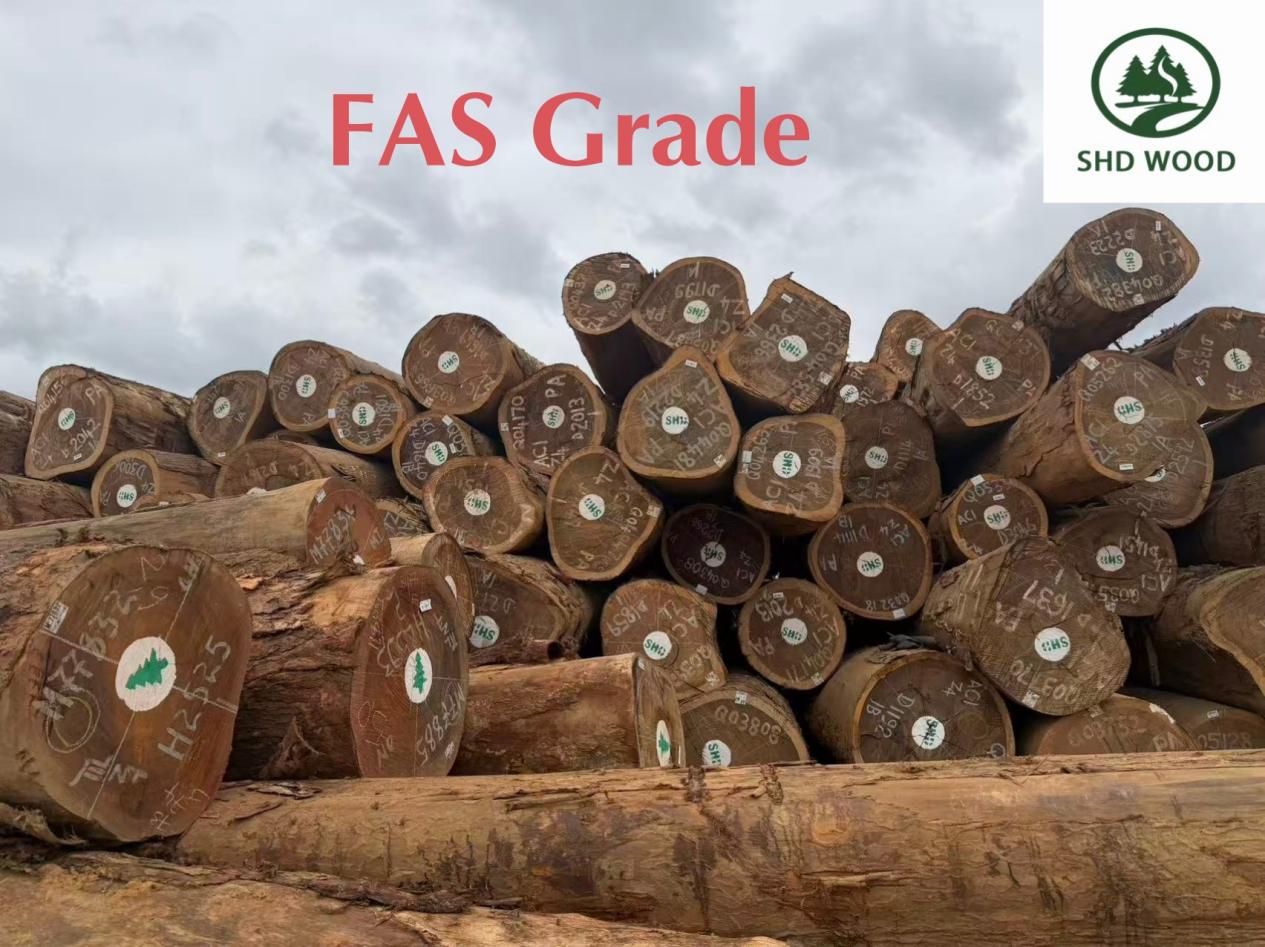
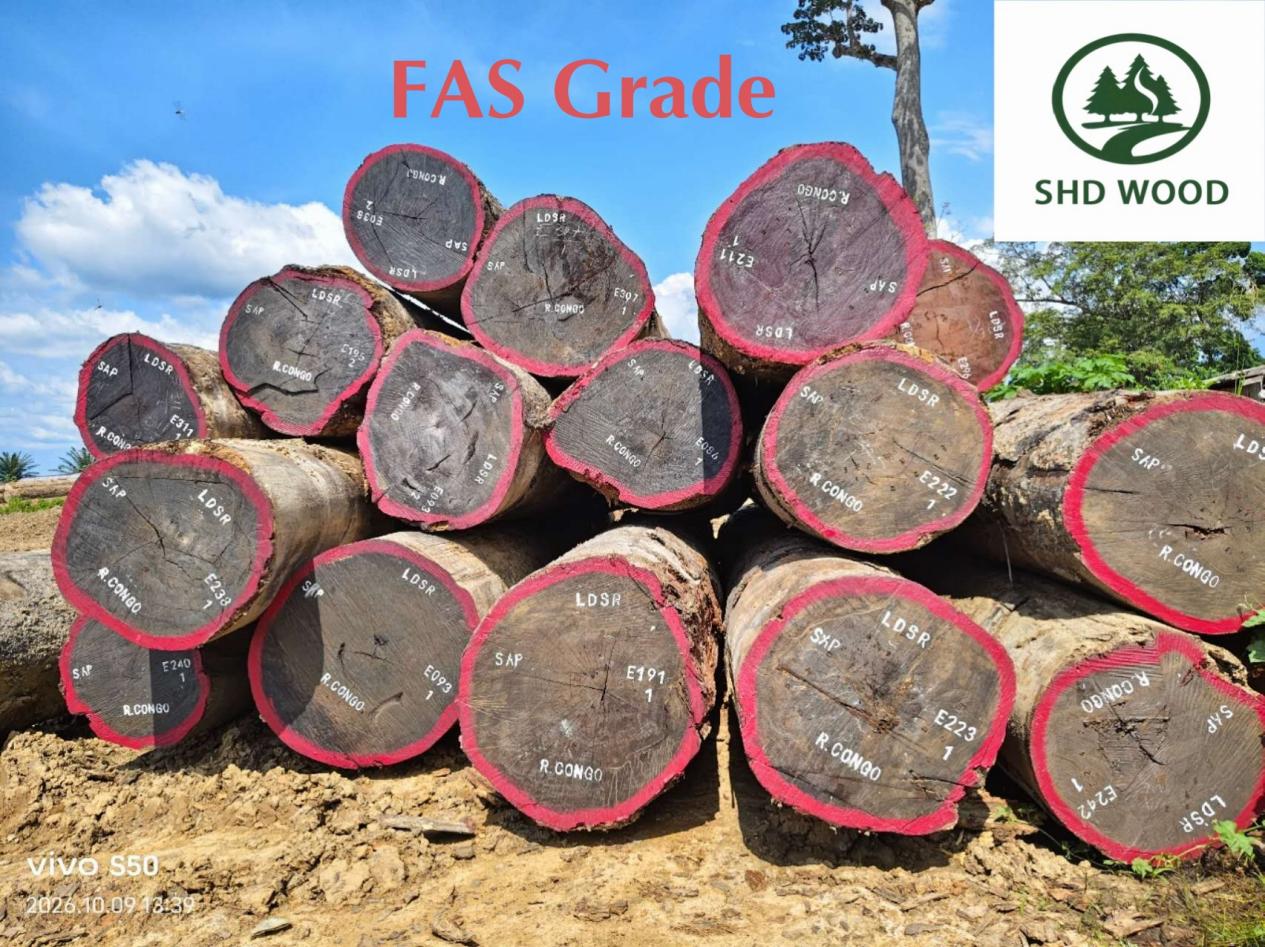

Contrary to common belief, FAS is not a grading system exclusive to African timber. It originates from the grading system established by the National Hardwood Lumber Association (NHLA) of the United States. FAS stands for First and Seconds.
This system has been widely adopted by hardwood traders worldwide. Major African export hardwoods including Sapele, Iroko, African Mahogany and Wenge are mostly graded against this standard as the common industry language. The ATIBT (Association Technique Internationale des Bois Tropicaux) rules are only used as supplementary guidelines in certain niche trade scenarios.

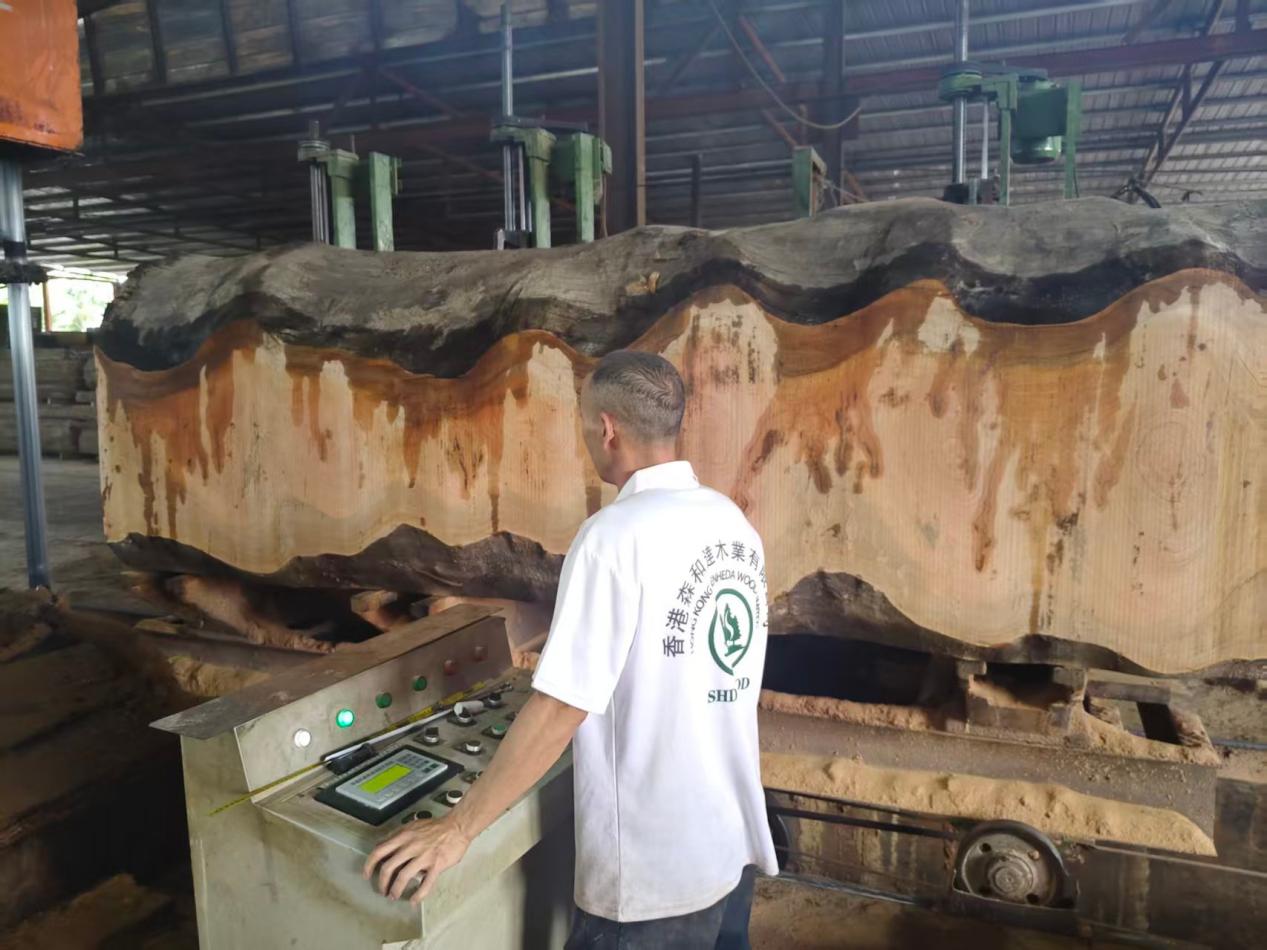
This is a common pitfall for factory owners: paying the FAS premium expecting lumber with zero knots or blemishes across the whole board, only to find minor acceptable defects after cutting. The core of NHLA grading is not flawless surfaces, but clear face yield:
· The poorer side of the board must have a minimum clear face yield of 83.3% or higher;
· Minimum board dimension: 6 inches wide × 8 feet long, to allow cutting of long finished components;
· The resulting clear cuttings must meet at least one specification: 3 inches wide × 7 feet long OR 4 inches wide × 5 feet long, ideal for large furniture parts such as table tops and cabinet doors.
Simply put: compliant FAS lumber delivers over 20% more long clear usable material than ordinary Grade 1 lumber, lowering waste rates for high-end furniture production. In the long run, it saves money.

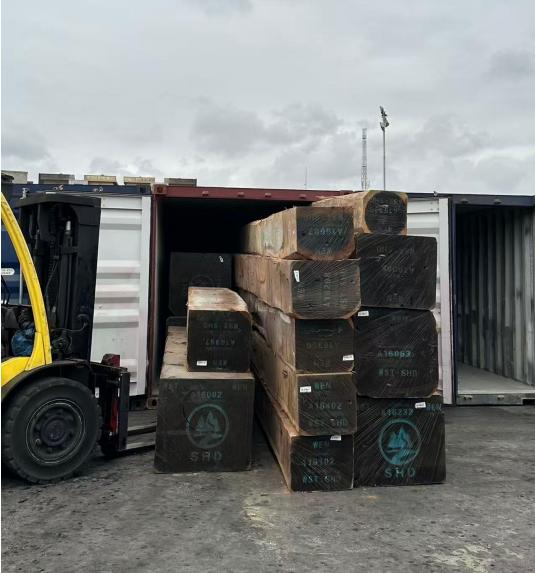
Even buyers with 5–6 years of experience may fall victim to these loopholes if contract wording is loose:
1. Ambiguous standard pitfall: Contracts only state “FAS Grade” without specifying whether grading follows NHLA or ATIBT. The yield gap between the two standards can exceed 10%.
2. Mixed loading trick: Many suppliers ship a default mix of 80% FAS + 20% F1F (Face 1 FAS) without prior notice. The 20% F1F boards have heavy defects on the reverse side and can only be used for single-sided applications such as wall paneling.
3. premium grade” label. This inflates your effective procurement cost by up to 30%.Misrepresented grade pitfall: Some lumber marked FAS only achieves 60–70% clear face yield, yet is sold at FAS prices under the “African
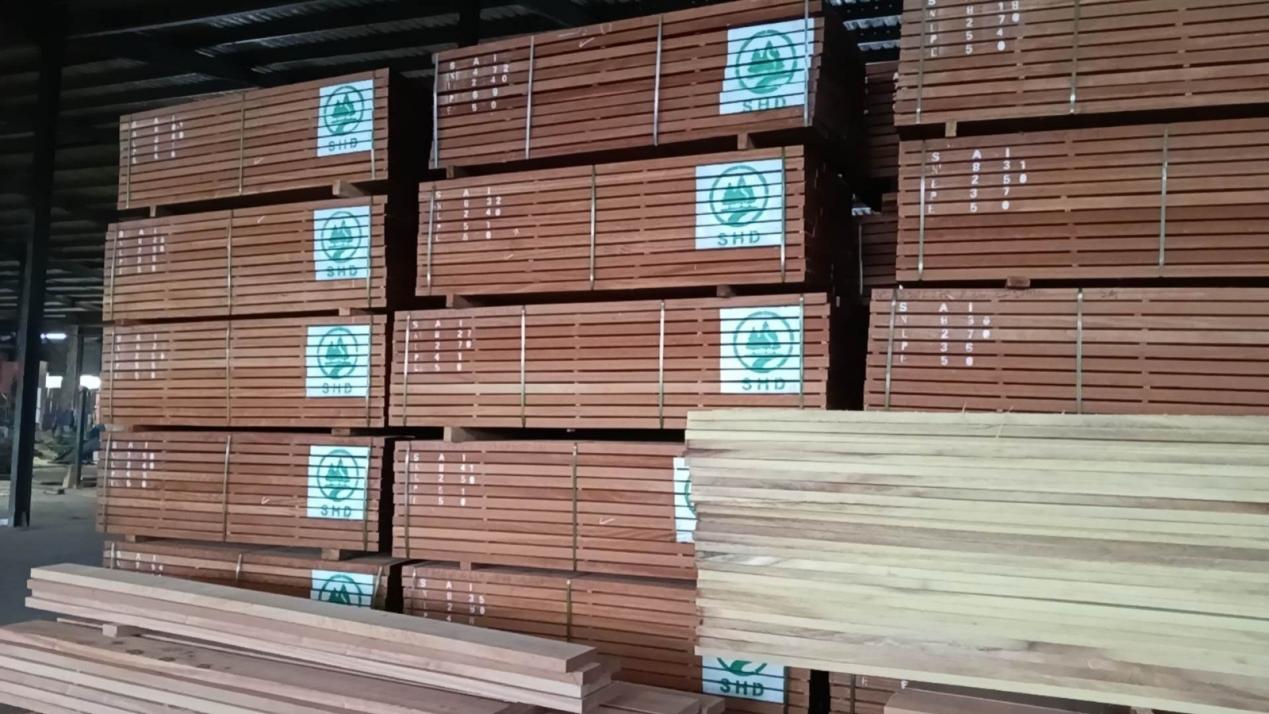

For African timber importers and furniture manufacturers, put these clauses in writing to resolve quality disputes upfront:
1. Clarify grading reference: This lumber shipment shall be graded strictly in accordance with NHLA FAS Grade standards; ATIBT tropical timber grading rules shall not apply.
2. Yield guarantee for sampling: Random inspection upon arrival. Boards with clear face yield below 83.3% on the poorer side shall not exceed 5% of the total shipment. Non-compliant lots are subject to rejection or price deduction.
3. Ban unauthorized mixed grading: No F1F or lower-grade lumber shall be mixed into this shipment. Any mixed grading requires prior written consent and corresponding price adjustment.
Many timber veterans learn this after decades in business: real savings do not come from haggling marginally on unit prices. The key is mastering grading rules and closing loopholes for vague quality descriptions.
WeChat/WhatsApp: +86 13534205619
Email: annaliu1@shdwood.com
Website: https://www.shdtimber.com


