
Views: 0 Author: Site Editor Publish Time: 2026-11-27 Origin: Site


Selecting the right timber for outdoor applications is essential to ensuring long-term performance, structural reliability and lower maintenance costs. Exposure to rain, sunlight, humidity, insects and temperature changes can significantly affect the service life of wood.
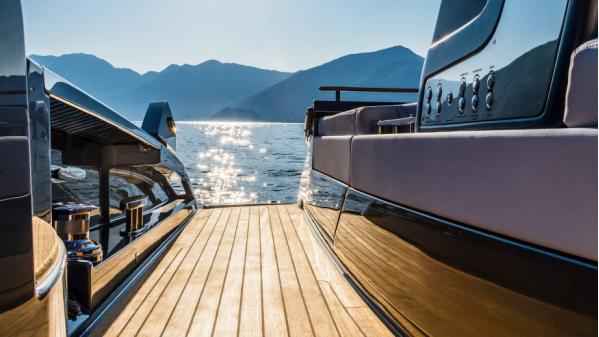
Many African hardwood species are valued in international markets for their natural durability, mechanical strength and attractive appearance. From outdoor decking and garden furniture to bridges and marine construction, selected African hardwoods offer versatile solutions for demanding environments.

The heartwood of many tropical species contains natural extractives that help protect timber against biological deterioration, including wood-decaying fungi and, depending on the species, termites and other wood-boring insects. Iroko, Okan, Tali and Azobe are particularly valued for their natural durability. Depending on the species and exposure conditions, their heartwood may be used outdoors without additional preservative treatment.
African hardwoods such as Okan, Tali and Azobe are known for their dense wood structure and mechanical strength. High-density hardwoods generally offer good resistance to abrasion, impact and mechanical wear, making them suitable for outdoor decking, railway sleepers, bridges and heavy construction. Density alone, however, does not determine natural durability.
Properly selected and dried African hardwood can provide reliable performance under changing environmental conditions. Iroko offers a useful combination of natural durability and dimensional stability for outdoor furniture, doors, windows and exterior joinery. Heavier species such as Azobe, Okan and Tali are frequently selected where greater strength and wear resistance are required.
Species | Key properties | Typical applications |
Iroko | Good durability and dimensional stability | Decking, furniture, exterior joinery |
Okan | Heavy, hard and naturally durable | Bridges, sleepers, heavy construction |
Azobe (Ekki) | High strength and hardness | Jetties, bridges, heavy construction |
Tali | Durability and wear resistance | Decking, sleepers, industrial flooring |
Bilinga | Durable, golden-brown heartwood | Decking, landscaping, exterior construction |
African Padouk | Durable, distinctive reddish-orange heartwood | Furniture, premium decking, exterior joinery |
Suitability for ground contact, freshwater or marine exposure must be assessed separately according to the species, durability classification and project requirements.
Iroko offers warm golden-brown tones, while Padouk features a striking reddish-orange appearance. Okan and Azobe provide deeper brown colours. When exposed to sunlight and weather, untreated wood may gradually develop a silver-grey patina. Appropriate exterior wood oils and UV-resistant finishes can help preserve its original appearance.
Both air-dried (AD) and kiln-dried (KD) African hardwood can be suitable for outdoor applications, depending on the final product and local climate. Important considerations include:
· Selecting timber with suitable moisture content and minimising non-durable sapwood.
· Allowing sufficient ventilation, drainage and natural wood movement.
· Using corrosion-resistant fasteners and appropriate surface finishes.
Correct installation helps minimise cracking, deformation, moisture accumulation and premature deterioration.
Different species offer different levels of natural durability. Sapele may be suitable for protected exterior joinery with appropriate detailing and finishes, while Okoume has low natural durability and requires suitable protection. Above-ground applications, ground contact, freshwater exposure and marine environments each require different levels of durability and protection. Marine borer resistance must be evaluated separately from resistance to fungal decay.
Although durable African hardwood may have a higher initial purchasing cost than some alternative materials, its long-term value can be significant. Depending on the application, potential benefits include reduced maintenance requirements, fewer replacements, longer service life and lower overall project costs. Responsibly sourced African hardwood can also provide a renewable material option for outdoor construction and architectural projects.
HONG KONG SENHEDA WOOD LIMITED,we have been focusing on African wood business for 16 years ,Our variety include OKOUME, IROKO, SAPPELLY,ZEBRA, TALI, PADOUK, BOSSE, AZOBE, EYOUM,DABEMA, AFROMOSIA, TIAMA, OVANGOL, WENGE, KOSIPO, BILLINGA,TEAK,OKAN,etc.
our website:www.shdtimber.com
Contact person:Sharon Yao
Whatsapp:+8613418472425


