
Views: 222 Author: Rebecca Publish Time: 2025-10-13 Origin: Site


Content Menu
>> Key Benefits
● Step-by-Step Teak Oil Application
>> Application: Additional Coats
● Professional Tips and Techniques
● Drying, Curing, and Appearance
● Long-Term Maintenance and Care
● Teak Oil Alternatives and Comparisons
● Applications: Where Teak Oil Excels
● Frequently Asked Questions (FAQ)
>> 1. What type of cloth should I use to apply teak oil?
>> 2. How often should I reapply the oil?
>> 3. Can I apply teak oil over varnish or paint?
>> 4. Does teak oil make wood waterproof?
>> 5. Is teak oil safe for indoor use?
Properly applying teak oil to wood is one of the most effective ways to restore, revitalize, and protect wooden surfaces used both indoors and outdoors. Whether tackling furniture, decks, window frames, or marine finishes, teak oil provides a durable shield against sun, moisture, and the elements while bringing out wood's natural beauty. This comprehensive guide delivers everything you need to achieve a flawless, long-lasting teak oil finish—based on expert techniques and best practices from professional woodworkers and suppliers.

Teak oil is a specially formulated blend—usually based on natural oils like linseed and tung—that seeps into the wood grain to replenish lost moisture, highlight color, and offer moderate protection. Although it's called “teak oil,” the product is designed for various hardwoods and is not actually derived from teak itself. It's prized for its deep penetration, quick drying, and ability to create a matte or satin finish that shows off the grain.
- Restores old, weathered, or dry wood
- Prevents cracking, warping, and UV degradation
- Improves water resistance for garden furniture and marine woodwork
- Reveals a rich, natural hue and enhances wood grain patterns
- Makes maintenance simple and effective with periodic reapplication[1][2][3]
- Teak oil (choose a high-quality brand)
- Lint-free cotton cloths and/or foam brushes
- Sandpaper (120–220 grit)
- Teak cleaner (for outdoor/aged wood)
- White spirit or mineral spirits
- Protective gloves
- Dusting rags
1. Clean – Remove all dirt, dust, mildew, and grease. Use a teak cleaner for exterior or older surfaces, then allow to dry thoroughly.
2. Sand – Begin with 120-grit sandpaper, progressing to 220-grit for a smooth finish. Always sand along the grain, and clear dust using rags or a vacuum. Remove any paint or varnish fully before oiling; test for compatibility if the wood has previously been treated.
3. Inspect – Repair any rot or severe weather damage. Sand down aged or grey timber until fresh wood is revealed before applying oil.[4][3]
1. Pour teak oil onto a clean cloth or foam brush.
2. Apply evenly following the direction of the wood grain, working carefully into joints, undersides, and exposed endgrain.
3. Use a small brush for hard-to-reach areas or intricate surfaces.
4. Rub the oil gently, finishing each section along the grain for uniform absorption.
5. Let the oil penetrate the surface for 15–30 minutes, then wipe any excess using a clean cloth to prevent tacky build-up.[2][4]
- Allow the first oil coat to dry overnight in a ventilated setting.
- Teak oil generally dries to the touch within 2–4 hours but needs 6–8 hours to fully dry; complete curing can take 8–24 hours depending on climate, wood type, and product.[5]
- Never apply additional coats before the surface is fully dry.
1. Lightly sand any raised grain with 150–220 grit paper after the first coat.
2. Apply the second coat as above, using even strokes and sparing amounts. The wood will absorb less, so there's less risk of sticky residue.
3. Wait overnight to dry before the third coat.
4. Typically, 2–3 thin coats produce optimal results; adjust based on the wood's absorption level.
- Well-Ventilated Area: Always work where fumes can disperse safely, especially indoors.
- Test First: Try the oil on a small, hidden section of wood to check color and finish before proceeding.
- Temperature Matters: Apply in moderate temperatures (10–25°C) for the best drying and curing performance.
- Even Coats: Thin coats work better than thick ones, as over-application causes sticky or blotchy results.
- Tackling Detail: Use artists' brushes for ornate carvings, joints, and endgrain.
- Safe Rags Disposal: Store used rags in a sealed metal container with water—oily rags can combust spontaneously.[4][2]
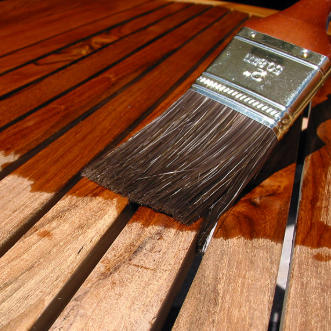
Teak oil will slightly darken most woods and may bring out gold or honey tones in teak itself. Allow for drying periods between coats and don't rush the process—using fans or hair dryers on a cool setting can help, but excessive heat risks damaging the wood. Always monitor the surface for stickiness and remove excess promptly.
- Dust the wood regularly to keep it free from debris.
- For outdoor furniture, reapply teak oil every 3–6 months depending on exposure; for indoor items, annual reapplication is usually sufficient.[3][2]
- Use a soft, lint-free cloth for reapplication and avoid heavy or frequent sanding unless the surface feels rough or has darkened from aging.[6][3]
- Always store teak oil in a cool, dry place out of direct sunlight, and use within three years for best results.
- Clean wooden surfaces with mild soapy water and let dry before reapplication.
- Remove stains or mildew using dedicated teak cleaners (never harsh chemicals).
- Sand lightly to refresh the finish if wood feels gritty or uneven.
- Never use teak oil on wood that's constantly submerged or exposed to standing water.
- Avoid mixing teak oil with other finishes; old varnish and paint must be removed first.[7][4]
- Over-Oiling: Using too much oil on the surface makes it sticky and attracts dust.
- Neglecting Drying Time: Applying new coats before the last has dried leads to blotching and unevenness.
- Skipping Cleaning: Dust and dirt under the oil coating make the finish dull and rough.
- Applying On Wet or Rotten Wood: Oil will not absorb properly and may accelerate decay.
- Tossing Oily Rags Carelessly: Can pose a fire hazard—always follow disposal guidelines.[8][4]
Although teak oil is popular, other finishes such as tung oil, Danish oil, or marine varnish may be chosen depending on application needs. Teak oil is superior for maintaining color, grain, and surface feel in uncoated or minimally finished wood, but varnishes provide a tougher, more waterproof surface that might be preferred in marine or high-contact areas.
- Outdoor garden furniture (benches, tables, chairs)
- Marine decks and wooden boat interiors
- Doors, window frames, and shutters
- Fences, wooden railings
- Indoor furniture made of hardwood (including but not limited to teak)
- Turned wood and decorative pieces
Teak oil's versatility, ease of use, and effectiveness make it a go-to product for DIYers and professionals seeking to maintain both looks and longevity of wooden products.[2][6][3]
Applying teak oil to wood is a straightforward process, yet its impact on wood protection and aesthetics is profound. Proper surface preparation, careful application, and patience with drying times are all essential for achieving a smooth, long-lasting satin finish. By following expert tips and scheduling regular maintenance, teak or other hardwood furniture can withstand the rigors of time, weather, and outdoor exposure while maintaining a vibrant, natural look. Whether a novice or an advanced woodworker, the techniques detailed above offer consistent, reliable results for all your teak oil projects.
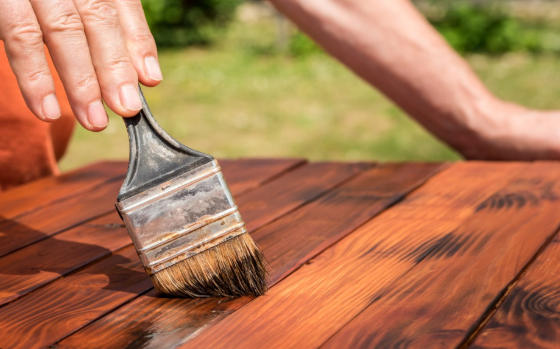
Use a lint-free cotton cloth or microfiber rag for best results, which helps spread the oil evenly and prevents streaks.[4][2]
Outdoor furniture requires oiling every 3–6 months, while indoor surfaces typically need reapplication once per year.[3][2]
No, teak oil is designed for bare, untreated wood. Remove any previous coatings before application.[2][4]
Teak oil provides water resistance but does not make wood fully waterproof. Avoid using it on surfaces exposed to frequent water immersion.[3][4]
Yes, most modern teak oils are non-toxic after curing. Always apply in well-ventilated spaces.[4][3]
[1](https://www.teakmaster.com/blog/teak-oil-what-is-it-and-how-do-i-use-it/)
[2](https://www.contractorswholesalesupplies.com/blog/the-ultimate-guide-to-watco-teak-oil-benefits-application-and-tips-for-best-results/)
[3](https://www.furnitureclinic.com/teak-oil)
[4](https://teakwoodoil.co.uk/how-to-apply-teak-oil/)
[5](https://www.obsessedwoodworking.com/finishing/how-long-does-teak-oil-take-to-dry/)
[6](https://www.patioproductions.com/blog/how-to/teak-furniture-care-maintenance/)
[7](https://www.teakmaster.com/blog/when-should-you-not-use-teak-oil-for-your-furniture/)
[8](https://americanyachtrestoration.com/solutions/common-mistakes-in-teak-deck-restoration-in-jupiter/)
[9](https://www.youtube.com/watch?v=J6-l9QMR9go)
[10](https://www.youtube.com/watch?v=CKDWO-FBWKU)
[11](https://www.reddit.com/r/woodworking/comments/74g2ps/advice_for_using_teak_oil/)
[12](https://www.westmarine.com/west-advisor/How-to-Apply-Teak-Oil.html)
[13](https://www.teak.com/ftp-assets/pdfs/M.4TO.pdf)
[14](https://www.rustoleum.com/-/media/DigitalEncyclopedia/Documents/RustoleumUSA/TDS/English/CBG/Watco/WAT-11_Watco_Teak_Oil_TDS.ashx)
[15](https://www.gardenbenches.com/blog/how-to-apply-teak-oil-to-garden-furniture/)
[16](https://www.teakculture.com/pages/teak-care)
[17](https://www.reddit.com/r/woodworking/comments/zrzilj/methods_to_speed_up_the_drying_time_of_oil/)
[18](https://www.youtube.com/watch?v=e1fiWdnmAKc)
[19](https://thediyplaybook.com/how-to-clean-teak-furniture/)
[20](https://www.minwax.com/en/products/protective-finishes/helmsman-teak-oil)
[21](https://sourenfurniture.com/blogs/care-guide/teak-oil)
[22](https://bylnj.com/wp-content/uploads/2024/09/Teak-Care-2025-Backyard-Living.pdf)
[23](https://www.woodworkingtalk.com/threads/teak-oil-not-dry-after-a-month.220201/)


