Views: 222 Author: SENHEDA WOOD Publish Time: 2026-06-16 Origin: Site
Ovangkol wood (Guibourtia ehie), native to West and Central Africa, has become increasingly popular among furniture manufacturers, architects, and woodworkers due to its attractive appearance and excellent mechanical properties. Its rich golden-brown to dark brown color, often highlighted by darker streaks, makes it a desirable choice for premium furniture and interior projects.
However, many buyers and wood professionals ask the same question: Is Ovangkol wood suitable for outdoor use? In this guide, we'll explore its durability, weather resistance, strengths, limitations, and best practices for outdoor applications.
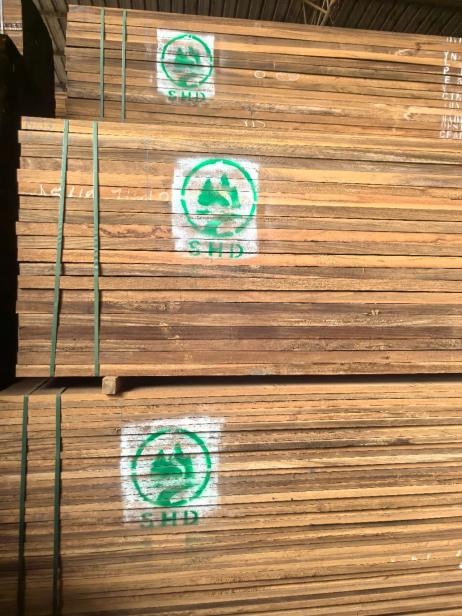
Ovangkol is a tropical hardwood primarily harvested in countries such as Cameroon, Ghana, Côte d’Ivoire, and the Republic of the Congo. It belongs to the Guibourtia genus, the same family as Bubinga.
The wood is known for:
Attractive grain patterns
Medium to high natural durability
Good dimensional stability
Excellent workability
High strength-to-weight ratio
These characteristics make Ovangkol a versatile hardwood for various applications.
One of the key factors determining outdoor suitability is durability.
Ovangkol is generally classified as a moderately durable to durable hardwood. Its heartwood offers natural resistance to decay and fungal attack, making it more durable than many common hardwood species used in furniture manufacturing.
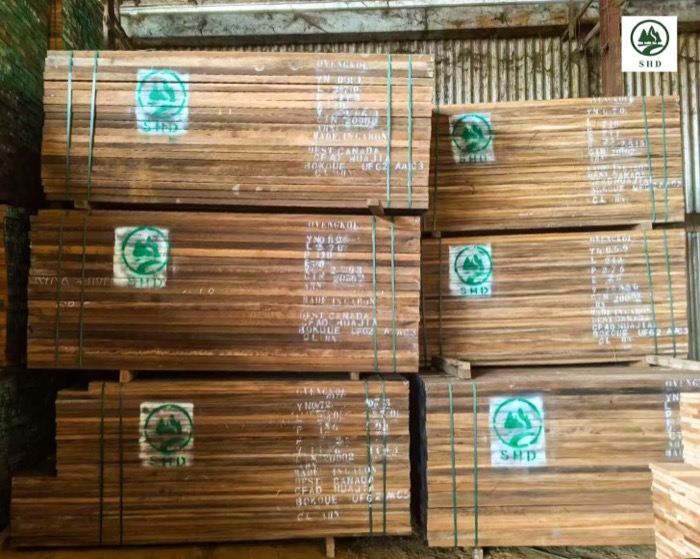
The short answer is yes—but with certain precautions.
Ovangkol can be used for outdoor projects, especially in covered or partially sheltered environments. However, prolonged exposure to rain, intense sunlight, and fluctuating humidity levels may affect its appearance and longevity if not properly protected.
Ovangkol is well suited for:
Covered outdoor furniture
Patio tables and chairs
Verandas and gazebos
Decorative exterior panels
Outdoor cabinetry under shelter
Pergola components
In these applications, proper finishing and maintenance can significantly extend the service life of the wood.
To maximize the lifespan of Ovangkol wood outdoors, proper treatment and maintenance are essential.
Recommended finishes include:
· UV-resistant wood oils
· Exterior-grade sealers
· Marine varnishes
· Penetrating wood preservatives
These products help reduce moisture absorption and protect against sun damage.
Outdoor Ovangkol furniture should be:
· Cleaned periodically
· Re-oiled annually
· Inspected for finish wear
· Protected during extreme weather conditions
Good project design can greatly improve durability:
· Avoid direct ground contact
· Ensure proper drainage
· Allow ventilation around components
· Minimize standing water exposure
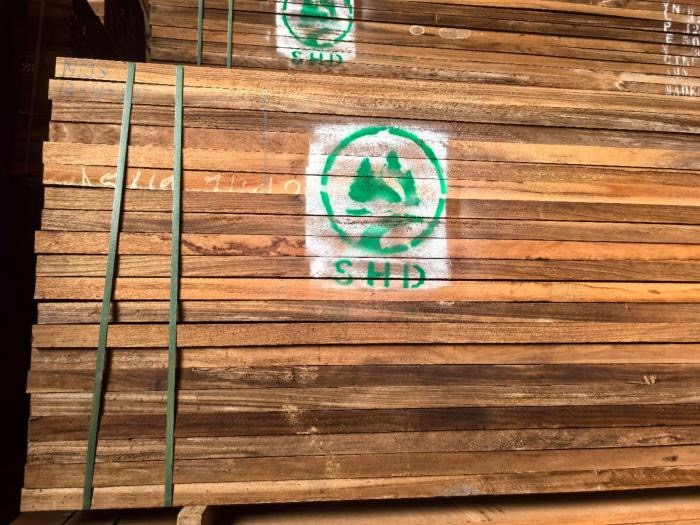
Many manufacturers and designers choose Ovangkol because it offers several benefits:
The wood's distinctive grain patterns and warm color tones provide a premium aesthetic suitable for luxury outdoor furniture.
Compared to many hardwood species, Ovangkol exhibits relatively low movement when moisture levels fluctuate.
For projects where Teak may exceed budget requirements, Ovangkol offers an excellent balance between beauty and performance.
Many Ovangkol suppliers provide timber sourced from responsibly managed forests, helping support sustainable woodworking practices.


