
Views: 222 Author: SENHEDA WOOD Publish Time: 2026-06-10 Origin: Site


Content Menu
● What Is the Janka Wood Hardness Scale?
>> How Janka Values Are Expressed
● How the Janka Hardness Test Works (Step-by-Step)
● Why the Janka Scale Matters in the Wood Industry
>> Durability and Wear Resistance
>> Choosing the Right Wood for Each Application
>> Comparing Different Wood Species
● Practical Janka Ranges for Common Applications
● Janka Rating vs. Workability: Finding the Right Balance
>> Trade-offs of Very Hard Woods
● How Janka Hardness Influences Wood Price and Quality
>> Hardness and Quality Perception
>> Why Harder Woods Often Cost More
● Real-World Use Cases: African Hardwoods and the Janka Scale
>> Case Example: High-Traffic Commercial Flooring
>> Case Example: Interior Furniture and Joinery
● How to Use the Janka Scale When Specifying Wood
>> 1. Define the Application and Traffic Level
>> 2. Set a Target Hardness Range
>> 3. Evaluate Workability and Local Installation Conditions
>> 4. Balance Hardness with Aesthetics and Budget
● Common Misconceptions About the Janka Scale
>> Misconception 1: Janka Hardness Equals Overall Strength
>> Misconception 2: Higher Janka Rating Always Means Better Performance
>> Misconception 3: Janka Values Are Perfectly Exact
● How Reliable Suppliers Use the Janka Scale
● When Janka Hardness Should Not Be Your Only Criterion
>> Situations Where Other Factors Dominate
● Conclusion: Using the Janka Scale to Make Smarter Wood Choices
● Call to Action: Get Expert Help Choosing the Right Wood Hardness for Your Project
● Frequently Asked Questions (FAQ)
>> 1. Is a higher Janka hardness always better for flooring?
>> 2. How does Janka hardness affect wood price?
>> 3. Can I use a softwood with low Janka hardness for floors?
>> 4. Are Janka hardness values the same for all boards of the same species?
>> 5. How should I use the Janka scale when comparing new species?
Choosing the right wood species can make or break a flooring or interior project, especially in high-traffic or demanding environments. As a professional wood supplier with more than 16 years of hands-on experience in African timber sourcing and global exports, we rely on the Janka wood hardness scale every day to match the right species to the right application. [sagipl]
In this guide, you will learn what the Janka hardness scale is, how it's measured, and how to use it to make smarter, more cost-effective wood sourcing decisions for floors, furniture, stairs, and other interior applications. We will also share real-world examples from African hardwoods, pricing implications, and practical tips for importers, manufacturers, and contractors.
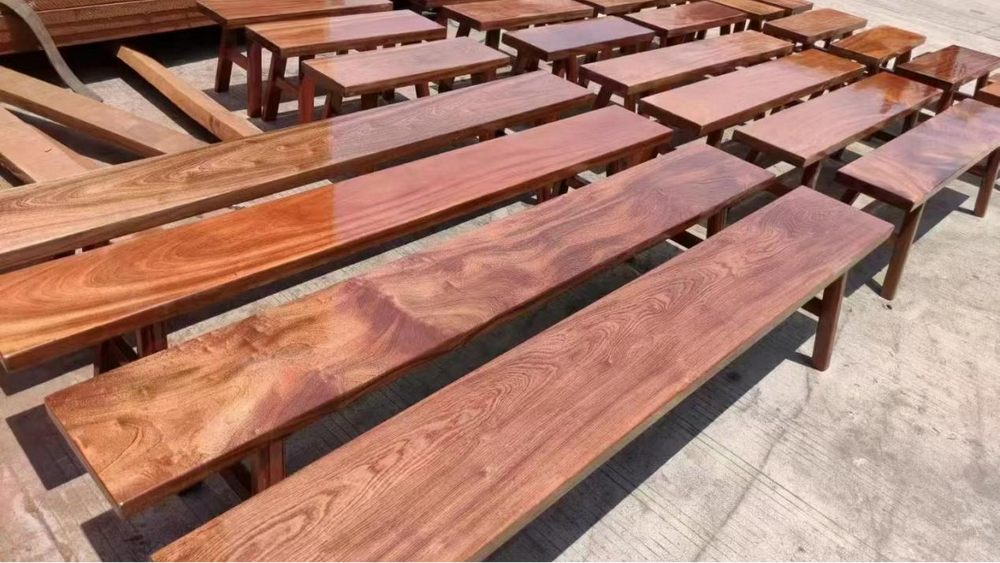
The Janka wood hardness scale is a standardized test that measures how resistant a wood species is to denting, scratching, and surface wear. It was developed by Austrian-American researcher Gabriel Janka in the early 20th century to provide an objective way to compare wood hardness.
In simple terms, the higher the Janka value, the harder and more resistant the wood is to indentation. Conversely, lower Janka values indicate softer woods that are easier to dent or scratch.
Depending on the region, Janka hardness can be expressed in different units:
- Pound-force (lbf) – commonly used in the United States
- Kilogram-force (kgf) – used in some European contexts
- Newton (N) or kilonewton (kN) – widely used in international standards, including Australia
Regardless of units, the purpose is the same: to quantify how much force is required to embed a steel ball halfway into the wood surface.
The Janka test method is standardized by ASTM D143, ensuring that results are comparable across laboratories and suppliers. Here is how the process works in practice.
1. Preparing the Wood Sample
- A sample is cut into a square, typically at least 2 inches (5 cm) wide and 1 inch (2.5 cm) thick.
- The surface is sanded smooth and flat to eliminate irregularities.
2. Applying the Steel Ball
- A steel ball with a diameter of 11.28 mm (0.444 inches) is placed on the surface.
- Force is applied through a piston until the ball is embedded halfway into the wood.
3. Recording the Force
- The force required to reach this depth is measured in pound-force (lbf) or newtons (N).
- This value becomes the Janka hardness rating for that sample.
4. Calculating the Janka Rating
The Janka hardness can also be expressed per surface area:
Janka Rating=Force/Contact Area(lbf/in2 or N/mm2)
For example:
- If 1000 lbf is required, the Janka rating might be reported as 10 lbf/in⊃2;.
- If 6895 N is required, the rating can be expressed as 68.95 N/mm².
- The Janka test focuses on surface hardness, not overall structural strength.
- Results may vary slightly depending on grain direction, moisture content, and sample orientation.
- It is a comparative tool – ideal for comparing species against each other rather than serving as an absolute performance guarantee.
From our experience supplying thousands of tons of African hardwoods to global partners each year, the Janka scale is one of the most referenced metrics when buyers are evaluating species for flooring, furniture, joinery, and interior fittings. [sagipl]
The higher the Janka hardness value, the more resistant the wood is to:
- Dents from heavy objects
- Scratches from shoes, furniture, and equipment
- Abrasion in high-traffic areas
For floors, stairs, and commercial interiors, a medium to high Janka rating is usually recommended to minimize visible damage over time.
The Janka rating helps designers, contractors, and buyers make informed choices:
- Red oak (~1290 lbf) is a classic benchmark hardwood for residential floors, offering a balance of hardness and workability.
- Pine (~380–420 lbf, depending on species) is much softer and better suited for applications where minor dents are acceptable, such as wall panelling or decorative interior elements.
- Mussivi wood (an African hardwood) with a Janka rating around 1810 offers significantly higher hardness than pine, making it more suitable for heavy-use flooring or structural interior elements.
Because the Janka scale is widely used, it provides a unified language for comparing species from different regions: [moz]
- Importers can compare African, Asian, and American species on the same hardness scale.
- Manufacturers can standardize product performance specifications across markets.
- End users can better understand what they are paying for when they choose one species over another.
While there is no single "correct" hardness, our long-term work with African and global hardwoods suggests the following general guidelines.
| Application | Suggested Janka Range (lbf) | Notes |
|---|---|---|
| Light-use interior panelling | 300–800 | Softwoods like some pines; easier to dent but cost-effective. |
| Residential flooring | 900–1500 | Balanced hardness and workability, e.g., red oak. |
| High-traffic commercial flooring | 1500–2500 | Harder species for abrasion resistance. |
| Stair treads and risers | 1200–2000 | Need higher resistance to localized impact. |
| Heavy-use countertops and worktops | 1500+ | To resist dents from dropped tools and equipment. |
These ranges are guidelines, not rules. Climate, finishing systems, subfloor design, and usage patterns also influence real-world performance. [slickplan]
One misconception we often see among buyers is the belief that harder is always better. In reality, very high Janka ratings can create workability challenges in machining, nailing, and finishing.
- Machining difficulty: Harder species can wear down cutting tools more quickly and require higher-quality blades.
- Nailing and screwing: Pre-drilling may be necessary to avoid splitting and to ensure secure fasteners.
- Finishing: Some very dense woods require special surface preparation or finishing systems for proper adhesion.
From a supplier perspective, we often advise clients to consider both hardness and workability, especially when local carpenters or installers may not have specialized equipment.
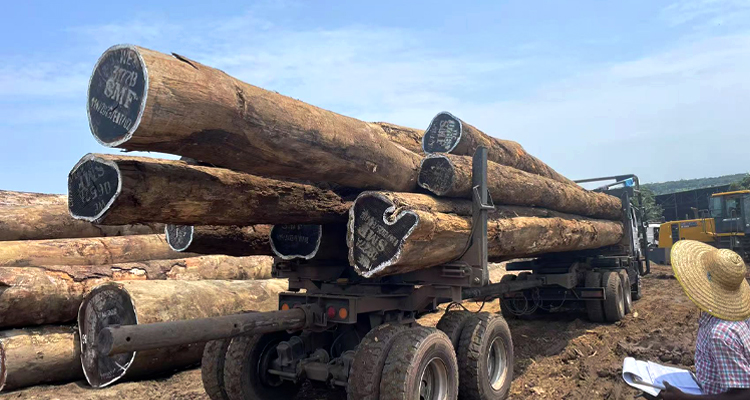
The Janka rating has a direct influence on both perceived quality and market pricing, particularly in the flooring and furniture sectors.
In many markets, higher Janka values are associated with:
- Premium flooring lines that emphasize longevity and durability
- High-end furniture that resists dents and scratches
- Commercial-grade materials for hotels, offices, and retail environments
For example, Mussivi wood with a Janka rating around 1810 is generally positioned as a higher-value hardwood compared to lower-density softwoods such as pine (~380–420).
Several factors contribute to the higher pricing of hard species:
- Processing complexity: Harder species are more demanding on saws, kilns, and finishing lines.
- Longer service life: End customers expect higher durability and are willing to pay more.
- Rarity and supply constraints: Some hard species are less abundant or sourced from specific regions, affecting availability.
However, hardness is not the only price driver. Thickness, grain pattern, colour, certification (e.g., FSC), and logistics (especially for African exports) also play a major role. [sagipl]
As a Chinese-based supplier specializing in African timber and exporting hundreds of containers per month to markets such as Vietnam and beyond, we see the Janka scale in action in real projects daily.
A client in Southeast Asia required flooring for a busy retail environment with high foot traffic and rolling loads. Instead of using a medium-hardness species, they opted for a denser African hardwood with a Janka rating above 1800.
Results observed:
- Reduced visible denting compared to previous installations using softer species
- Longer intervals between refinishing cycles
- Higher perceived value by end customers due to the solid feel underfoot
Another client manufacturing interior furniture for export needed a balance of hardness and machinability. By comparing Janka values and reviewing sample tests, they selected a medium-hardness hardwood in the 1200–1500 lbf range.
Benefits included:
- Efficient machining and finishing in their factory
- Good resistance to everyday dents from household use
- Reduced tool wear compared with ultra-hard species
These examples highlight how Janka hardness is useful not just as a lab number, but as a practical tool for aligning wood selection with performance and cost targets.
If you are a designer, contractor, or importer, here is a simple step-by-step approach to using Janka hardness in your wood selection process. [blog.marketmuse]
Ask:
- Is the surface exposed to high foot traffic or occasional use?
- Are there heavy point loads, such as furniture, machinery, or stairs?
- Is the environment commercial, industrial, or residential?
For high-traffic commercial floors, target a higher Janka rating than for a residential bedroom.
Based on your application, define a target range rather than a single number. For example:
- Residential living room floor: 1000–1500 lbf
- Hotel lobby: 1500–2200 lbf
This ensures that your selection is flexible across several species.
Consider:
- Available machinery and tooling for installers
- Their experience with hard species
- Whether pre-drilling or specialized finishing is acceptable
In some markets, choosing an extremely hard species may increase installation time and cost, even though it improves durability.
Do not let Janka hardness be your only decision factor. Also compare:
- Grain and colour
- Stability and movement in your climate
- Overall budget and lifespan expectations
A slightly softer species with better availability and lower cost may outperform a harder but rarer species in total value.
Despite its importance, the Janka scale is sometimes misunderstood. Here are a few misconceptions we frequently clarify for clients. [moz]
Janka hardness measures surface indentation resistance, not:
- Bending strength
- Shear strength
- Overall load-bearing capacity
For structural applications, other standards and tests (e.g., modulus of elasticity, bending tests) must also be considered.
For some projects, extremely hard woods can be unnecessary or even problematic:
- They may be overkill for low-traffic areas.
- They can increase tool wear and installation costs.
- They may not offer proportionate benefits compared to more moderate options.
The goal is to choose a species that is "hard enough" for its intended use, not simply the hardest available.
In reality, Janka values can vary due to:
- Differences in growth conditions
- Moisture content at testing
- Variations between heartwood and sapwood
Use Janka numbers as a reference range, supported by supplier data and real-world performance feedback.
Experienced suppliers integrate Janka hardness into a broader quality control and application matching process. [wgcontent]
From our operational practice in African timber:
- We benchmark species using Janka data and internal performance tests.
- We advise clients based on a combination of hardness, stability, availability, and budget.
- We track feedback from completed projects to refine species recommendations for similar future requirements.
For buyers, working with a supplier that truly understands and uses Janka data can significantly reduce project risk and material waste.
While Janka hardness is critical, there are scenarios where other properties matter more.
- Outdoor or exterior use: Decay resistance, dimensional stability, and finishing systems matter more than hardness alone.
- Acoustic applications: Density, grain, and internal damping properties can outweigh surface hardness.
- Design-driven projects: Colour, texture, and grain pattern may be primary drivers, with hardness as a secondary constraint.
In these cases, Janka hardness remains useful context, but selection should be made using multiple technical criteria.
The Janka wood hardness scale is a powerful, standardized tool for understanding how resistant a wood species is to dents, scratches, and surface wear. When combined with factors like aesthetics, budget, and workability, it helps designers, manufacturers, and importers make better, more predictable wood selection decisions. [moz]
By working with a supplier that has deep, on-the-ground experience in timber sourcing and handles thousands of tons of hardwoods across multiple continents, you can leverage Janka data not just as a number on paper, but as a practical guide to long-lasting, cost-effective interiors. [sagipl]
If you are planning a flooring, furniture, or interior project and are not sure which wood species best balances hardness, durability, and budget, our team can help. With over 16 years of experience in African timber, monthly handling of 4,000–8,000 tons of wood, and exports of 200+ containers to markets like Vietnam and beyond, we provide data-driven, experience-based recommendations tailored to your specific application. [sagipl]
Contact us to discuss your project requirements, traffic levels, and budget, and we will help you shortlist species with the right Janka hardness range and reliable long-term performance.
Not always. While higher Janka values provide better resistance to dents and scratches, extremely hard woods can be harder to machine, nail, and finish, potentially increasing installation costs. For most residential projects, a medium hardness range offers the best balance of durability and practicality.
Harder species often command higher prices because they are more difficult to process, more durable in use, and sometimes less abundant. However, price is also influenced by thickness, grade, grain, colour, certification, and shipping costs, especially for imported hardwoods.
You can, but you should be aware that softwoods with low Janka values (e.g., certain pines) are more prone to dents and scratches, especially in high-traffic areas. They may be suitable for bedrooms, cottages, or decorative areas, but not ideal for heavily used commercial flooring.
No. Janka values are average figures calculated from tested samples and can vary due to tree growth conditions, moisture content, and board orientation. Use them as guidelines and verify performance with both supplier data and small-scale testing where critical.
When considering a new species, first identify the Janka range of your current or familiar options (e.g., red oak at ~1290 lbf). Then compare the new species' Janka rating to see if it is softer, similar, or harder, and evaluate whether this difference aligns with your project requirements, tooling, and budget.
1. K-Timber. "Understanding the Janka Wood Hardness Scale."
<https://k-timbers.com/understanding-the-janka-wood-hardness-scale/>[Link]
2. Moz. "What is Google E-E-A-T? Guidelines and SEO Benefits."
<https://moz.com/learn/seo/google-eat> [moz]
3. MarketMuse. "Enhancing Your Content Strategy with SEO Best Practices."
<https://blog.marketmuse.com/enhancing-your-content-strategy-with-seo-best-practices/> [blog.marketmuse]
4. Slickplan. "SEO Content Strategy 2026: 6-Step Framework + Template."
<https://slickplan.com/blog/seo-content-strategy> [slickplan]
5. SAG IPL. "SEO for Timber: #1 Lumber Wood SEO Service Provider Company."
<https://www.sagipl.com/seo-for-timber.php> [sagipl]
6. WG Content. "E-E-A-T for content quality."
<https://wgcontent.com/blog/eeat-content-quality-seo-geo/> [wgcontent]


