


Content Menu
● The Origin of Wenge Wood Color
● Color Description and Appearance
● Wenge Wood Color in Interior Design
>> 1. Modern Minimalist Spaces
>> 3. Office and Commercial Interiors
● How Finishing Affects the Color of Wenge Wood
>> 4. Bleached or Stained Variations
● Comparison: Wenge vs. Other Dark Woods
● How Light and Age Change Wenge Wood Color
● Practical Applications Based on Color
● Maintenance of Wenge Wood Color
● Why Designers Love Wenge Wood
>> 1. What is the natural color of wenge wood?
>> 2. Does wenge wood color fade over time?
>> 3. Is wenge darker than walnut?
>> 4. Can wenge wood be lightened or stained?
>> 5. What interior colors complement wenge wood best?
When you think of exotic hardwoods, wenge wood often stands out for its luxurious, deep appearance and enduring strength. Originating from Central Africa, particularly countries like the Democratic Republic of Congo, Cameroon, and Gabon, wenge wood is one of the most sought-after materials in furniture, flooring, musical instruments, and decorative finishes. But here's the question many design enthusiasts and woodworkers often ask: What color is wenge wood?
In this article, we'll explore the color characteristics, variations, and applications of wenge wood, along with its unique texture, grain patterns, and how color changes over time. Whether you're furnishing a home or designing a high-end product, understanding the essence of wenge's color will help you use it effectively in aesthetic and functional applications.

The natural color of wenge wood is one of its most defining features. Freshly cut, the wood appears medium brown with subtle yellow or red hues. However, once exposed to air and light, it matures into a deep, rich dark brown that's nearly black, often streaked with fine blackish or dark purple-brown lines. This transition gives wenge its exotic charm — a visual depth that feels both earthy and elegant.
Wenge comes from the Millettia laurentii tree, a legume species. Its dense fibers and tight grain structure contribute to the way it reflects light, making colors appear multi-layered. Unlike lighter woods that reflect more light, wenge's dark pigmentation absorbs it, giving off a deep matte tone under soft light and a glossy chocolate-like glow under brighter illumination.
Wenge wood's color is often described as a dark chocolate brown with black streaks. However, depending on its finish, age, and lighting, its color palette can shift subtly:
| Stage | Color Appearance | Description |
|---|---|---|
| Fresh-cut | Medium brown with yellow undertones | Appears warmer and softer before oxidation |
| Matured (natural oxidation) | Deep dark brown to almost black | Signature wenge look, intense and bold |
| Polished or oiled | Dark espresso color with subtle gloss | Accentuates texture and black streaks |
| Aged or sun-exposed | Fades slightly to dark brown-gray tones | Gives rustic, antique character |
Many designers adore wenge wood because no two planks are ever the same. Each board's grain pattern varies, creating organic contrast between the streaks and the base tone. Light oil finishes highlight these differences beautifully, making wenge ideal for luxury interiors.
Wenge wood's color conveys a sense of drama and elegance, often used to create contrast in contemporary interiors. Here's how its color performs in different design contexts:
In modern minimalism, wenge pairs wonderfully with neutral tones like white, gray, and beige. A wenge floor under light walls creates a striking yet balanced visual. Its color grounds open spaces and adds warmth without overpowering the room.
Because of its bold dark hue, wenge is a favorite for custom furniture—especially dining tables, bed frames, and cabinetry. The wood's deep brown with black undertones complements metallic accents like gold, brass, or chrome.
Wenge's formal, professional look makes it ideal for executive desks, shelving, and wall panels. Its deep color commands attention and exudes sophistication.
Designers often combine wenge with light maple, ash, or oak to achieve visual equilibrium. The dark brown provides depth and contrast, while lighter woods brighten the space.
The final color of wenge is heavily influenced by its finish. Because it's naturally very dark, even small changes in coating or oiling can dramatically alter its hue.
A natural finish brings out the wood's inherent color, emphasizing its brown and black streaks. This is the most authentic representation of wenge wood color.
Matte finishes reduce reflection, making wenge appear darker and more uniform. This look works well in modern minimalist settings.
Oil or gloss coatings enhance the richness of wenge's color, adding depth and luminosity. These finishes make streaks more pronounced and can bring out slight reddish or purplish undertones.
Although rare, wenge can be bleached or light-stained to mimic lighter oak or walnut tones, but this process often reduces its natural contrast. Most woodworkers prefer preserving its dark, elegant identity.
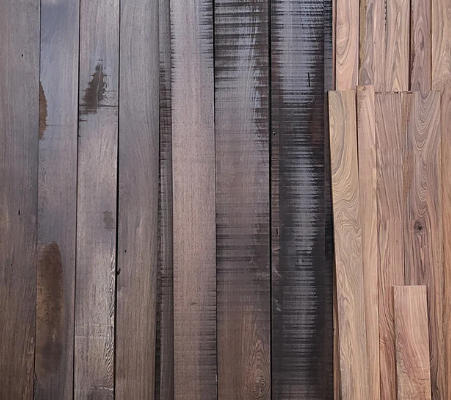
Wenge is often compared with other dark hardwoods like walnut, ebony, and mahogany. Here's how their colors differ:
| Wood Type | Primary Color | Undertones | Color Depth | Common Use |
|---|---|---|---|---|
| Wenge | Dark brown to nearly black | Black or purple streaks | Very deep | Modern furniture, flooring |
| Walnut | Chocolate brown | Warm gray | Moderate | Furniture, veneers |
| Ebony | Jet black | Blue-gray | Extremely deep | Musical instruments, inlays |
| Mahogany | Reddish brown | Auburn | Medium | Traditional furniture |
Wenge stands out as richer and more textured than walnut, and while not as uniformly black as ebony, it offers more visual dimension through its natural patterning.
Like many natural woods, wenge changes over time. Its color evolution typically follows these phases:
1. Fresh Stage: Light brown to golden brown just after cutting.
2. Oxidation Period: Within months, it turns deeper—almost espresso-like.
3. Aged Patina: After several years, wenge might lighten slightly, gaining a more organic, weathered appearance.
Direct sunlight can cause wenge surfaces to fade a little, so applying UV-resistant finishes can help maintain its dark richness.
Thanks to its stunning tone, wenge serves as both a structural and decorative wood:
- Flooring: Adds warmth and luxury to residential and commercial settings.
- Cabinetry: The dark color complements metal handles and light countertops.
- Instruments: Used in guitars and basses for its color, density, and resonance.
- Decoratives: Picture frames, sculptures, and fine art pieces often use wenge for a dark accent.
The dramatic color contrast between wenge and lighter materials like marble or stainless steel also enhances visual appeal.
Because of its deep tone, fingerprints, dust, and scratches can sometimes appear more visible. Here's how to maintain the color's integrity:
1. Clean with a soft, damp cloth — avoid ammonia-based cleaners.
2. Use natural oils or waxes to nourish the surface and refresh the sheen.
3. Keep away from prolonged sun exposure to reduce light fading.
4. Re-oil annually for enhanced color depth.
With proper care, wenge can keep its luxurious dark tone for decades.
The color of wenge wood symbolizes luxury, strength, and timelessness. Its deep brown hue harmonizes with multiple design philosophies — from modern industrial to Scandinavian minimalism. Designers value its ability to create depth and warmth simultaneously, making it a versatile color base for interiors and product design.
Moreover, the psychological effect of dark tones like wenge's is calming and grounding, adding a sense of permanence to any space.
So, what color is wenge wood? In essence, wenge wood is a deep, dark brown with nearly black streaks, sometimes showing subtle purple or red undertones. Its tone matures with time and exposure, embodying natural sophistication and power. Whether used for elegant furniture, flooring, or high-end décor, wenge's distinctive color remains one of the most alluring in the world of hardwoods.
Proper finishing and maintenance can preserve its rich hue for decades, making it a worthwhile investment for both durable function and timeless beauty.
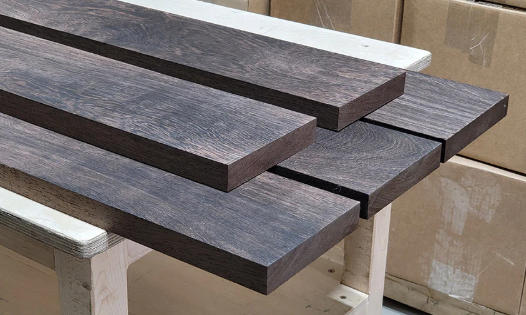
Wenge's natural color starts as a medium brown with faint yellowish hues, but it darkens to a near-black shade as it ages and is exposed to light, giving it its signature deep tone.
Yes, wenge can fade slightly with prolonged sunlight exposure. However, applying a UV-resistant coating helps preserve its deep brown and black streaks.
Generally, yes. Wenge is darker and richer than walnut, with more black streaks and less of the warm reddish undertone seen in walnut wood.
While possible, lightening wenge is challenging due to its dense structure. Most professionals prefer retaining its natural finish or enhancing it through oil-based treatments.
Wenge pairs beautifully with whites, creams, soft grays, and metallic tones. These lighter shades highlight its darkness and create balanced contrast.


